
How to Lay Felt on a Shed Roof: A Comprehensive Step-by-Step Guide
Laying felt on a shed roof is one of the best ways to keep the shed dry, strong, and protected from rain and wind. If the felt is fitted properly, it helps stop leaks, protects the roof boards, and gives the shed a much longer life.
This guide explains the job in a simple way. It focuses on the real problems people face when laying shed felt, and then shows the best way to fix each one. It is written for easy reading, with clear steps, short paragraphs, and practical advice from the kind of work DDK Roofing Leeds handles for local customers.
Why shed roof felt matters
A shed roof is small, but it still takes a lot of weather damage. Rain, frost, wind, and sunlight all wear the roof down over time. Felt acts like a protective skin over the shed roof.
If the felt is damaged or fitted badly, problems can start quickly:
- Water can enter the roof.
- The timber underneath can rot.
- Edges can lift in strong wind.
- The shed can become damp inside.
- The roof may need early replacement.
A properly fitted felt roof helps prevent all of that.
The main problems before fitting felt
Before you start, the roof itself must be in good condition. Many people make the mistake of fitting new felt over a weak roof. That only hides the problem for a short time.
Check for:
- Rotten or soft tim1ber.
- Loose roof boards.
- Old nails still sticking out.
- Dust, moss, or dirt on the surface.
- Broken edges or damaged trim.
- Wet patches on the roof deck.
If the roof base is not sound, the new felt will not last well. Fixing the roof deck first is always the better choice.
Tools and materials you need
Before starting, gather everything you need. That saves time and avoids mistakes while working on the roof.
You will usually need:
- A ladder or safe access tower.
- Tape measure.
- Utility knife or roofing knife.
- Hammer.
- Roofing tacks or nails.
- Felt adhesive or sealant.
- Barge boards or edging timber.
- Underlay, if needed.
- Gloves and goggles.
- Chalk line for marking straight lines.
Having the right tools makes the work much easier and safer.
Choosing the right shed felt
Not all shed felt is the same. The type you choose depends on the weather, the size of the shed, and how long you want the roof to last.
Standard felt
This is the basic option. It can work on smaller sheds in sheltered areas, but it may not last as long in harsh weather.
Heavy-duty felt
This is a better choice for sheds that face more rain and wind. It is stronger and usually lasts longer.
Mineral-backed felt
This type has extra surface protection. It handles sunlight and wear better than standard felt.
Self-adhesive felt
This is easier to install because it sticks down without as much fixing. It can be useful for smaller roofs and simpler jobs.
If you want longer life and better weather protection, heavier felt is usually the better option.
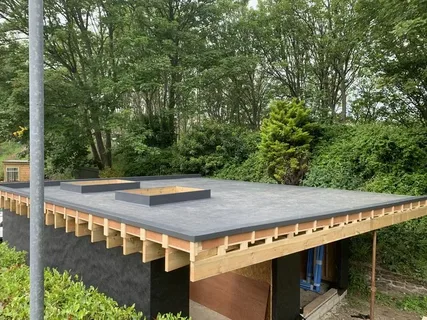
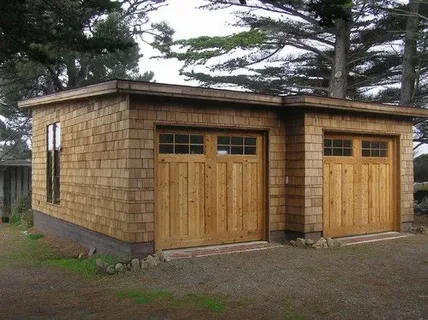
Preparing the roof properly
Good preparation is one of the most important parts of the job. If the roof is not clean and dry, the felt may not stick or seal well.
Follow these steps:
- Remove old felt carefully.
- Pull out nails or staples.
- Scrape away old adhesive.
- Check the boards underneath.
- Replace any damaged timber.
- Sweep away dust and dirt.
- Make sure the roof is fully dry.
This step is often rushed, but it makes a big difference to how long the new felt lasts.
Measuring and cutting the felt
Measuring correctly helps avoid waste and poor fitting. If the felt is cut too short, the roof may leak at the edges or joins.
A good rule is to measure the roof carefully and allow extra for overlap and trimming.
When cutting:
- Roll out the felt on a flat surface.
- Measure each piece before cutting.
- Leave extra material for overlaps.
- Use a sharp knife for clean edges.
Clean cuts are easier to fit and look much neater on the roof.
How to lay felt on a shed roof
The job should be done step by step. Working slowly and carefully gives the best result.
Step 1: Start at the bottom edge
Begin at the lower edge of the roof and work upward. This helps water run over the felt rather than under it.
Step 2: Position the first sheet
Lay the first piece of felt straight and even. Let it hang over the edge a little so rain can drip away from the shed.
Step 3: Fix it in place
Use roofing tacks or nails to secure the felt. Do not place them too far apart, or the felt may lift in the wind.
Step 4: Add the next strip
Lay the next strip above the first one with a proper overlap. This overlap is important because it helps stop water from getting through the joins.
Step 5: Keep working upward
Continue across the roof until the whole surface is covered. Make sure every strip sits flat and overlaps correctly.
Step 6: Cover the ridge or apex
If the shed has a pitched roof, the top ridge must be covered carefully. This area is exposed to the weather, so it needs a neat and secure finish.
Step 7: Fit the edges and boards
Secure the felt edges properly and fit barge boards where needed. These help protect the felt from lifting and make the roof look more finished.
Step 8: Trim excess material
Use a sharp knife to trim away any felt that sticks out too far. A clean edge helps the roof look tidy and stops loose material from catching the wind.
Common mistakes to avoid
A lot of shed roof problems happen because of small mistakes during installation. These are the ones to watch for.
Fitting felt over a dirty roof
Dust and moisture stop felt from sticking well. Always clean the roof first.
Using the wrong felt
Cheap felt may save money at first, but it often wears out faster.
Leaving gaps at the joints
If the overlaps are too small, water can enter between the sheets.
Fixing felt too loosely
If the felt is not secured properly, strong wind may lift it.
Working in wet weather
Felt should be laid in dry conditions whenever possible. Wet weather can weaken the bond and make the job harder.
How to make shed felt last longer
Once the felt is on, a little care can keep it in good condition for years.
- Useful maintenance steps include:
- Check the roof after storms.
- Look for lifted edges.
- Seal any small cracks quickly.
- Keep the roof free from leaves and debris.
- Replace damaged sections before they spread.
Small repairs are much cheaper than a full new roof.
Signs the shed roof needs attention
Even a good felt roof will wear over time. Watch for these signs:
- Felt is lifting at the edges.
- Water is getting inside the shed.
- The roof looks cracked or brittle.
- There are tears in the surface.
- Moss or dirt is building up.
If you see these signs, the roof may need repair or replacement.
When to get professional help
Some shed roofs are simple enough for DIY work. But if the roof is large, steep, damaged, or hard to reach, it is better to use a professional roofer.
- You should call a roofing specialist if:
- The timber underneath is rotten.
- The roof leaks badly.
- The shed is high or unsafe to access.
- The old felt has failed in several places.
- You want a longer-lasting, better-finished result.
DDK Roofing Leeds can help with shed roof felt installation, repairs, and replacement when you want the job done properly.
Why people choose DDK Roofing Leeds
A shed roof may be small, but it still needs the same care as any other roof. DDK Roofing Leeds provides roofing help that is simple, reliable, and built to last.
We can help with:
- Shed roof felt replacement.
- Roof repairs.
- Damaged timber checks.
- Weather protection improvements.
- Professional advice on the right material for the job.
If the roof needs more than a quick fix, it is better to deal with it early before the damage spreads.
Final thoughts
Laying felt on a shed roof is not difficult if the roof is prepared properly, the right felt is chosen, and each layer is fixed with care. The biggest problems usually come from rushing the job, using weak materials, or leaving gaps where water can enter.
A well-fitted felt roof protects the shed, keeps the inside dry, and saves money over time. If you want help with shed roof felt installation or repair, DDK Roofing Leeds is ready to help.
Frequently Asked Questions
That depends on the type of felt used and how much weather the shed faces. Heavy-duty felt usually lasts longer than standard felt.
It is better to remove the old felt first if it is damaged or loose. A clean roof base gives a better result.
Heavy-duty or mineral-backed felt is usually a stronger choice for long-term protection.
Underlay is not always necessary, but it can add extra protection in some cases.
Yes, if the shed is small and the roof is safe to access. For larger or damaged roofs, professional help is a better option.
This usually happens because the felt was not fixed properly, the adhesive failed, or wind got under the edge.
Yes. DDK Roofing Leeds offers shed roof felt repairs and replacement for homeowners who want a proper roofing solution.