
Is Roofing Felt Waterproof? A Guide for Leeds Homeowners
Roofing felt is water-resistant, but not fully waterproof. It acts as a vital “safety net” beneath your tiles, but it is not designed to stand alone against heavy rain for long periods.
Many homeowners wonder if the layer under their tiles—the roofing felt—can protect the house on its own. If you have a leak or are planning a roof job in Leeds, understanding this material is key to keeping your home dry. DDK Roofing Leeds often sees homes where the felt has been misunderstood, leading to avoidable water damage.
What Exactly Is Roofing Felt?
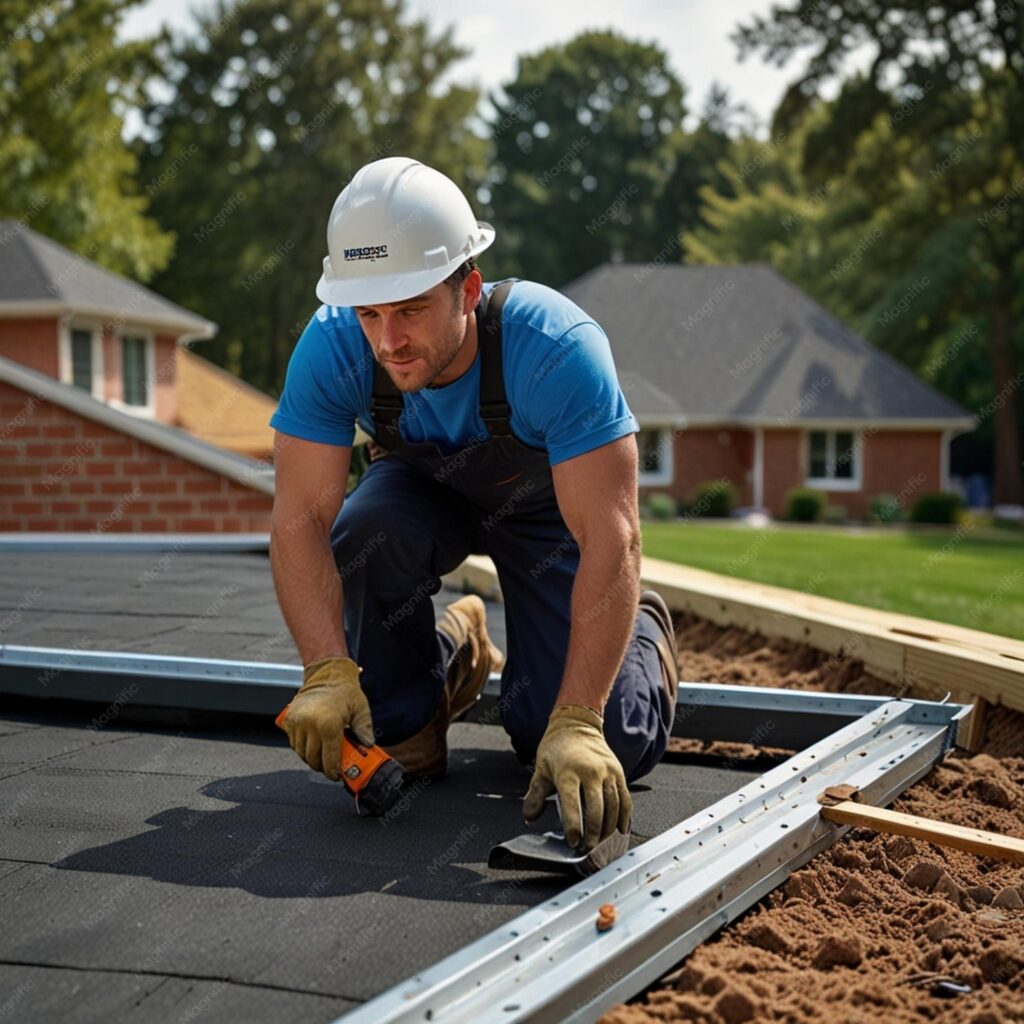
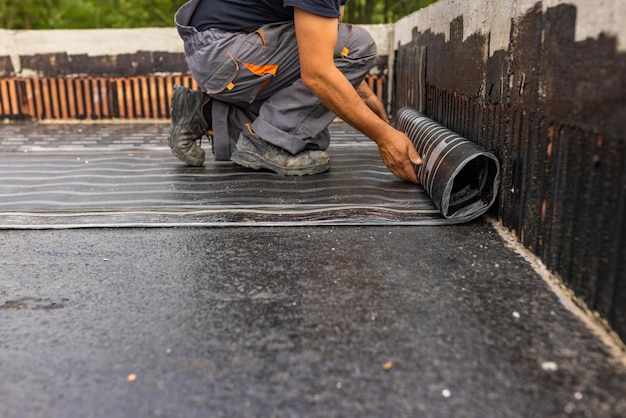
Roofing felt is a tough, flat sheet made from natural or synthetic fibres soaked in bitumen or asphalt. It is laid directly over your roof deck (the wooden base) before the main roof covering, like slate or clay tiles, is installed.
Its Main Roles:
A “Safety Net”: It catches water if a tile slips or breaks.
Protection: It keeps the wooden roof deck dry during the building process.
Vapour Barrier: It helps manage moisture that rises from inside the house.
Why "Water-Resistant" is Not "Waterproof"
Think of roofing felt like a high-quality raincoat. It handles a light drizzle perfectly, but if you stand under a waterfall, you will eventually get wet.
Temporary Shield: It keeps the house dry during a roof replacement while the tiles are off.
Not for Exposure: If left uncovered for weeks in the Leeds rain, the felt will eventually absorb water, sag, and tear.
Not a Standalone Roof: You should never rely on felt as the only thing keeping rain out of your attic.
Roofing Felt Grades: Which One Do You Need?
Not all felt is the same. The “weight” or thickness determines how well it handles moisture.
15-pound felt: Thin and light. Best for quick, low-stress jobs or temporary use.
30-pound felt: Thicker and much tougher. It lasts longer against the elements and is a better choice for high-quality roofing projects.
Modern Alternatives: Today, many pros use synthetic underlayment. This is made from plastic (polypropylene), which is stronger, tears less, and lasts much longer than traditional bitumen felt.
When Does Roofing Felt Fail?
Even the best felt has limits. If you notice leaks in your home, it is often because the felt has reached its “breaking point.”
Common failure points:
Sunlight Exposure: UV rays from the sun make bitumen felt brittle and prone to cracking.
Poor Installation: If the sheets aren’t overlapped correctly (like fish scales), water can run behind the felt instead of over it.
Nail Holes: If a roofer uses too many nails, they create “leak points” where water can sneak into the wood deck.
Extreme Weather: Severe storms can rip thin, aged felt, leaving the roof structure exposed.
Can It Protect Your Home During Construction?
If you are having a roof replacement in Leeds, you might worry if your home will stay dry while the tiles are removed.
The Good News: Professional roofers use high-grade felt to keep your home dry during the job.
The Catch: This is only effective for a few days. DDK Roofing Leeds ensures that the felt is installed and covered as quickly as possible to ensure the property remains protected from our unpredictable weather.
Pro-Tips from DDK Roofing Leeds
If you see signs of water damage in your attic, do not assume the felt is doing its job.
Check Your Attic: Look for damp patches on the underside of the felt or stains on the timber beams.
Act Fast: If felt is torn, it cannot be “patched” easily. It usually needs a section replaced to restore the waterproof barrier.
Upgrade Materials: If you are planning a new roof, ask us about synthetic underlayments. They offer superior protection compared to traditional felt.
Frequently Asked Questions
No. It is designed to shed water and resist moisture, but it is not a permanent waterproof barrier like slate or metal. It relies on the main roof covering to do the heavy lifting.
Only for a very short time during repairs. Leaving it exposed to rain and sun for more than a few days will lead to damage, sagging, and eventual leaks.
Synthetic underlayment is made of plastic (polypropylene). It is stronger, more resistant to tearing, and stands up to UV rays better than traditional bitumen felt.
Look in your attic for rips, sagging sections, or water marks on the wooden boards beneath the felt. If you see light shining through holes, it definitely needs attention.
Yes. We specialize in full roof replacements and ensure that high-quality underlayment is used to keep your home dry and energy-efficient for years to come.