
UK Roof Replacement Costs 2026 - Flat, Garage, Pitched, Slate and Tile Explained
Roof bills catch most UK homeowners off guard. Costs shift dramatically depending on roof type, size, and the materials a roofer puts on top. A small garage felt job sits at opposite ends of the budget from a full slate pitched roof on a detached home. This breakdown covers every major roof type with straightforward 2026 pricing so you know exactly what to expect before a single quote arrives.
Flat Roof Replacement Cost UK Explained
Flat roofs are common on extensions, rear additions, and some older properties. They tend to cost less than pitched roofs upfront, but material choice plays a major role in long-term value.
Average Cost Range
Most UK homeowners pay between £1,500 and £6,000 for a flat roof replacement. A small extension roof of 15 to 20 m2 sits toward the lower end. Larger flat roofs covering 50 m2 or more push toward £4,000 to £6,000, particularly when premium materials are chosen.
Scaffolding is often unnecessary for single-storey flat roofs. Consequently, access costs stay lower compared to pitched alternatives.
Materials Used in Flat Roofs
Three materials dominate the UK flat roofing market:
- EPDM rubber: Costs £40 to £70 per m2. Extremely durable, with a lifespan of 25 to 50 years. Furthermore, it handles temperature changes well and suits most UK climates
- GRP fibreglass: Costs £50 to £80 per m2. Seamless finish with no joints, which therefore reduces leak risk significantly
- Felt torch-on: Costs £30 to £55 per m2. The most affordable option, though its lifespan of 10 to 15 years means replacement comes sooner
- Liquid EPDM coating: Costs £35 to £60 per m2. Suitable for awkward shapes and, as a result, popular on extensions with unusual layouts
Garage Roof Replacement Cost UK
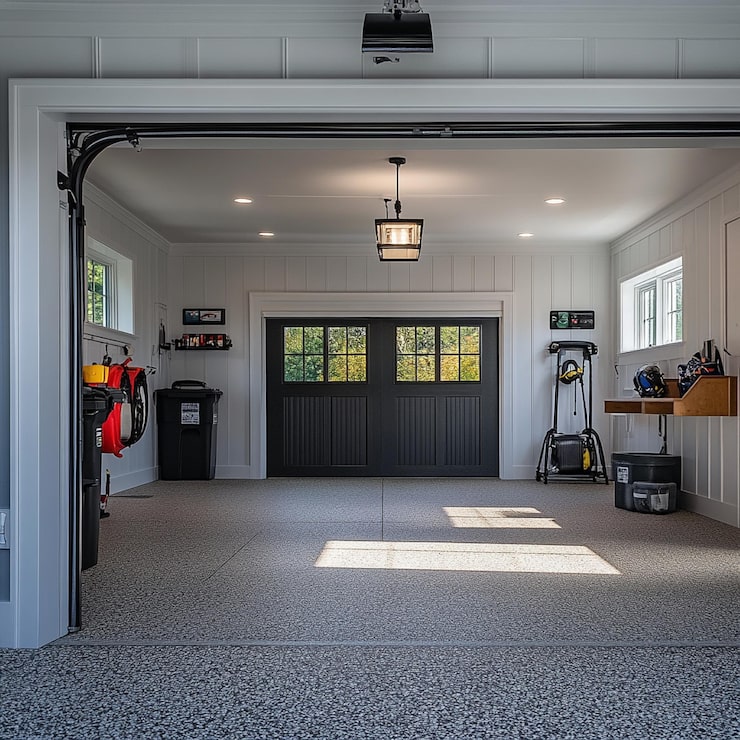
Garage roofs are often the most neglected part of a property. However, a failing garage roof can cause serious damp and structural problems if left too long.
Typical Price for Garage Roofs
A standard single garage roof replacement costs between £800 and £2,500. Double garages naturally cost more, typically £1,800 to £4,000. The final figure depends heavily on whether the existing structure needs repair before new materials go on.
Felt remains the most common garage roofing material in the UK. Nevertheless, EPDM is increasingly popular because it lasts considerably longer for a modest price increase.
Factors Affecting Garage Roof Costs
Several things push garage roof costs up or down:
- Roof type: Flat garage roofs cost less than pitched versions
- Material upgrade: Switching from felt to EPDM adds £200 to £500 but significantly extends lifespan
- Fascia and gutter condition: Rotten boards need replacing before new roofing goes on, adding £150 to £400
- Access difficulty: Garages beside fences or walls can restrict working space, therefore increasing labour time
- Structural repairs: Damaged joists or sagging decking add £300 to £800 to the base cost
Pitched Roof Replacement UK Cost Breakdown
A full pitched roof replacement is one of the largest home improvements costs a UK homeowner faces. However, breaking it down by size and material makes budgeting far more manageable.
Cost Based on Roof Size
Pitched roof costs scale directly with roof area:
Property Type | Cost Range | Roof Area |
Small terraced house | £4,000 to £7,500 | 40 to 55 m2 |
Semi-detached house | £5,500 to £9,500 | 50 to 65 m2 |
Detached house | £8,000 to £18,000 | 80 to 130 m2 |
Bungalow | £4,500 to £8,000 | 60 to 110 m2 |
These figures assume standard concrete tiles with scaffolding included.
Labour and Material Impact
Labour typically accounts for 40 to 50% of a pitched roof replacement. As a result, the size of the crew and number of days on site directly shapes the total bill.
Materials make up the remainder. Consequently, choosing between concrete tiles, clay tiles, and natural slate creates a significant price gap even on identical roof sizes.
Slate Roof Replacement UK vs Tile Roof Replacement UK
Material choice is one of the biggest decisions in any roof replacement. Slate and tile both have loyal followings among UK homeowners, and for good reason.
Slate Roof Cost and Durability
Natural Welsh slate costs £90 to £130 per m2 installed. A full slate roof replacement on a three-bedroom semi therefore runs to £7,000 to £12,000 depending on roof area and complexity.
The upside is longevity. Natural slate roofs regularly last 80 to 100 years. Moreover, they suit period properties and conservation areas where planning requirements often restrict material choices.
Spanish slate offers a more affordable alternative at £60 to £90 per m2, though it lacks the prestige and regional approval that Welsh slate carries.
Tile Roof Cost and Benefits
Clay plain tiles cost £70 to £110 per m2 installed. They suit traditional UK properties well and, furthermore, carry a longer lifespan than concrete alternatives. Expect 60 to 80 years from quality clay tiles on a well-maintained roof structure.
Concrete interlocking tiles sit at £55 to £85 per m2 and represent the most popular choice across UK roofing jobs. They install faster, which therefore reduces labour costs and keeps overall project time shorter.
Concrete Roof Tiles UK Pricing
Concrete tiles offer strong value for most standard UK properties. Material supply costs run £15 to £30 per m2, with installation taking the total to £55 to £85 per m2 all-in.
One practical consideration: concrete tiles are heavier than clay or slate. Older roof structures occasionally need strengthening before concrete tiles go on, which adds £500 to £1,500 to the job.
Cost Per m2 by Roof Type
Flat vs Pitched Cost Comparison
Roof Type | Cost Per m2 |
Felt flat roof | £30 to £55 |
EPDM flat roof | £40 to £70 |
GRP fibreglass flat roof | £50 to £80 |
Concrete pitched roof | £55 to £85 |
Clay pitched roof | £70 to £110 |
Natural slate roof | £90 to £130 |
Flat roofs cost less per m2 on smaller areas. However, pitched roofs made from quality materials deliver better long-term value per year of lifespan.
Material Cost Differences
The gap between budget felt and premium natural slate runs to roughly £75 to £100 per m2. On a 60 m2 roof, that represents a difference of £4,500 to £6,000 in total spend.
However, slate lasts five to eight times longer than standard felt. Over a 50-year period, therefore, the cost per year often favours the premium material significantly.
Factors That Affect Roof Replacement Cost
Beyond roof type and material, several practical variables shape the final quote:
- Roof pitch: Steeper roofs slow down installation and increase safety requirements, consequently raising labour costs
- Number of storeys: Every additional storey requires more scaffolding and longer erection time
- Existing damage: Rotten timbers, failed felt, or structural movement discovered mid-strip add unexpected costs
- Chimney stacks: Lead flashing replacement around chimneys adds £200 to £600 per stack
- Skylights and dormers: Each penetration requires careful weatherproofing and adds time on site
- Location: South East and London rates run 15 to 25% above Midlands and northern regions
- Season: Demand peaks in spring and autumn, so winter bookings sometimes attract lower rates
Roof Type Comparison
A quick side-by-side summary for decision-making:
- Felt flat roof: Cheapest upfront, shortest lifespan, suits tight budgets on garages and extensions
- EPDM flat roof: Modest premium over felt with dramatically better longevity, ideal for extensions
- GRP fibreglass: Best seamless finish for flat roofs, suits complex shapes and wet UK conditions
- Concrete tiles: Most popular pitched option, fast installation, good value across most property types
- Clay tiles: longer lifespan than concrete, suits traditional and period properties particularly well
Natural slate: Premium cost, premium lifespan, strongest choice for conservation areas and heritage homes
How to Reduce Roof Replacement Cost
Smart homeowners approach roof replacement jobs with these strategies:
- Collect three or more written quotes from NFRC-registered contractors before committing
- Book during late winter or early spring when roofers have more availability and pricing is softer
- Ask whether a partial re-roof covers the damage rather than a full strip-and-replace
- Share scaffold costs with a neighbour if their roof also needs attention at the same time
- Choose concrete tiles over clay for a 15 to 20% material saving with minimal quality trade-off
Avoid unnecessary add-ons like new fascias unless the existing boards are genuinely failing
Signs You Need Roof Replacement
Repairs work for isolated problems. However, these signs suggest the whole roof needs addressing:
- Tiles slipping, cracking, or disappearing repeatedly despite previous repairs
- Visible sagging or dipping along the ridge or rafters when viewed from the street
- Persistent damp patches appearing on ceilings after heavy rain
- Roof aged beyond 40 years with no recorded maintenance or previous replacement
- Daylight visible inside the loft during daylight hours with lights off
Widespread moss lifting tile edges and blocking water drainage across the whole slope
Conclusion
Every roof type carries its own cost logic. A garage felt job and a slate pitched roof on a large detached home sit at completely opposite ends of the budget scale, yet both follow the same principle. Size, material, and access drive the number. Asking roofers to break their quote into separate lines for labour, materials, and scaffold gives you the clearest possible picture before any work begins.
Frequently Asked Questions
Flat roof replacement in the UK typically costs £1,500 to £6,000 depending on size and material. EPDM rubber runs £40 to £70 per m2, GRP fibreglass costs £50 to £80 per m2, and standard felt sits at £30 to £55 per m2. Smaller extension roofs cost less, while larger flat roofs over 50 m2 push toward the upper end of that range.
A single garage roof replacement costs between £800 and £2,500 in the UK. Double garages typically run £1,800 to £4,000. Felt remains the most common material, though upgrading to EPDM adds modest upfront cost while extending the roof lifespan considerably. Structural repairs to joists or decking add further to the total if existing damage is found.
Natural Welsh slate roof replacement costs £90 to £130 per m2 installed. A typical three-bedroom semi-detached home therefore runs to £7,000 to £12,000 in total. Spanish slate offers a cheaper alternative at £60 to £90 per m2. Despite the higher upfront cost, slate roofs last 80 to 100 years, making them highly cost-effective over the long term.
Concrete tiles cost £55 to £85 per m2 installed and represent the most widely used option across UK roofing projects. Clay tiles cost slightly more at £70 to £110 per m2 but carry a longer lifespan of 60 to 80 years. Clay suits period and traditional properties particularly well, while concrete works across most standard UK homes and installs faster, reducing labour time.
Most pitched roof replacements on terraced or semi-detached homes take three to five days. Larger detached properties may run to a full week or beyond. Structural repairs, complex roof designs, or poor weather can extend timelines further. Always build contingency time into your project schedule, particularly if the roof is older and the condition of the timbers is unknown.