
A well-maintained thatched roof typically lasts between 15 and 40 years, with some high-quality installations reaching up to 60 years. The lifespan depends primarily on the material used, the expertise of the master thatcher, and the local climate.
Thatching is a historic craft that requires specialized care to preserve its beauty and functionality. As a property owner, understanding how to manage your roof’s health is vital to avoid unnecessary, large-scale repairs. DDK Roofing Leeds provides expert inspections to ensure your heritage property remains protected.
With over 20 years of experience in specialized roofing and heritage restoration, our team brings deep technical knowledge to every inspection. We have worked on hundreds of properties across Yorkshire, specializing in traditional materials and modern maintenance techniques to ensure long-term structural integrity.
Not all thatch is created equal. The material choice directly influences your maintenance schedule and the eventual replacement timeline.
Water Reed: Often considered the most durable option, water reed thatch can last from 25 to 40+ years when applied by a master craftsman.
Combed Wheat Reed: This provides a classic, uniform appearance and typically offers a lifespan of 25 to 35 years.
Longstraw: A traditional material that requires a higher level of maintenance and usually reaches its roof replacement stage after 15 to 25 years.
Thatch is not a “fit and forget” solution. Its longevity is dictated by several physical and environmental variables:
Craftsmanship: The density of the thatch is paramount. A roof that is loosely packed will hold moisture, leading to premature rot. Always ensure your work is performed by a qualified master thatcher.
Roof Pitch: A steep pitch (at least 45–50 degrees) is essential. It ensures water runs off the surface immediately rather than soaking into the core of the thatch.
Environmental Exposure: Homes located in windy, damp areas of the UK will naturally face more rapid wear than properties in sheltered, sunny positions.
The Ridge Factor: The ridge is the crowning glory of your roof but also its most vulnerable point. Expect to replace the ridge every 10 to 15 years, regardless of the condition of the rest of the roof coat.
Consider the case of a mid-18th-century cottage in North Yorkshire. The owners neglected their roof for over 12 years, failing to clear accumulated moss and leaves. By the time they called for an inspection, the trapped moisture had caused significant timber rot in the rafters beneath the thatch. What could have been a routine re-ridging and patch-repair (costing ~£1,500) escalated into a partial re-thatch and structural beam replacement (costing over £8,500). Regular biannual checks would have identified the moss buildup early, potentially saving them thousands.
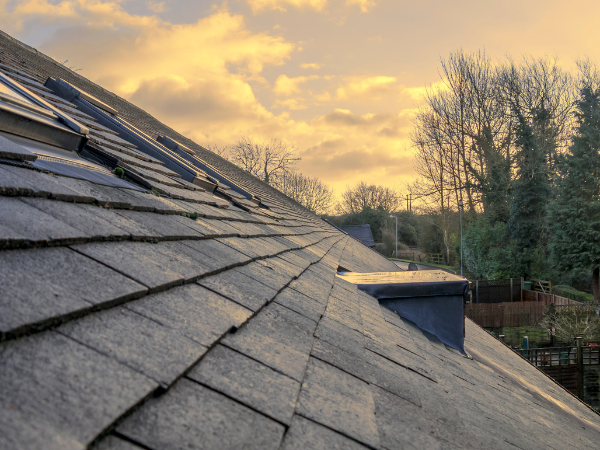
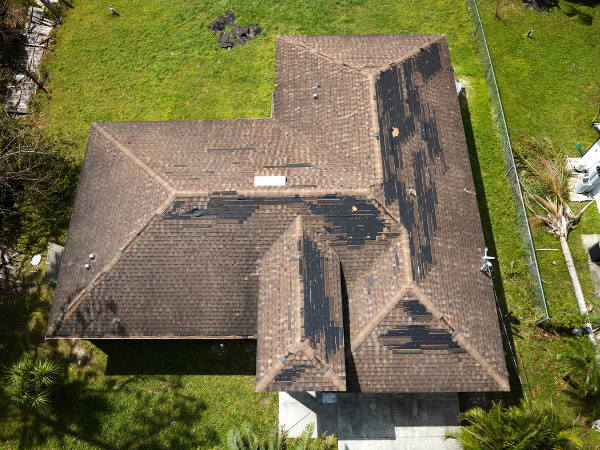
To extend your roof’s life and protect your investment, implement these proactive measures:
Biannual Inspections: Schedule professional assessments in the spring and autumn. This allows you to catch minor issues, such as bird damage, before they lead to water ingress.
Debris Removal: Never let leaves, twigs, or bird droppings sit on your thatch. These organic materials trap moisture, which is the primary cause of rot.
Moss Management: While some moss is expected, heavy buildup retains water. Gently remove excess moss to ensure the thatch dries properly after rain.
Ventilation & Sunlight: Avoid planting trees that hang directly over the roof, as shade prevents the thatch from drying out.
While thatch is a premium choice, think of it as a long-term investment in heritage. Annual maintenance costs (minor repairs and ridge checks) typically range from £500 to £1,000. Full replacement costs are substantial, often ranging from £15,000 to £30,000 depending on roof size and material. However, when spread over 30 years, it remains a viable solution for maintaining property character.
Preserving a heritage roof requires a delicate balance of traditional skill and structural understanding. DDK Roofing Leeds offers comprehensive roof integrity checks, ensuring that your property—whether standard or thatched—remains watertight and structurally sound. Our team can help you plan a maintenance cycle that minimizes costs and prevents the need for emergency, high-cost interventions.
| Material | Expected Years | Ridge Interval |
|---|---|---|
| Water Reed | 25–40+ | 10–15 Years |
| Combed Wheat | 25–35 | 10–15 Years |
| Longstraw | 15–25 | 10–15 Years |
It is rare but possible with exceptional craftsmanship and ideal environmental conditions. Most roofs realistically reach 20–40 years with diligent care.
The ridge is the top capping of the roof. It is exposed to the elements from all sides and acts as the main seal against water entry, requiring replacement every 10–15 years.
Look for members of recognized heritage roofing associations. Check their references and look for properties they have maintained for over a decade.
Not necessarily, but excessive moss traps water. If your thatch stays damp long after a rainstorm, moss removal is necessary to prevent rot.
Look for deep valleys, thinning material, damp patches on ceilings, or visible rot in the thatch itself. Contact DDK Roofing Leeds if you observe these signs.
Pricing will vary depending on your needs and specifications.