
How Long Does a Roof Last in Leeds? Lifespan Guide by Material, Weather and Maintenance (2026)
A roof in Leeds lasts anywhere from 25 years to over 100 years depending entirely on the material, the quality of installation, and how much exposure it gets to West Yorkshire’s rain and freeze-thaw cycles. Concrete tiles typically last 40 to 60 years, natural slate 80 to 100+ years, and flat roofing systems 25 to 50 years.
This guide breaks down exactly how long each roof type lasts in Leeds, what shortens that lifespan locally, how to tell your roof is ageing, and how to extend it through maintenance. Data is drawn from DDK Roofing Leeds Ltd’s records across 1,400+ roofing projects completed since 2003.
How Long Does a Roof Last? Lifespan by Material
| Roof Type | Typical Lifespan | Maintenance Needed |
|---|---|---|
| Concrete Interlocking Tiles | 40 to 60 years | Low to medium |
| Natural Welsh Slate | 80 to 100+ years | Low if installed correctly |
| Reclaimed Natural Slate | Matches existing roof age | Medium |
| Clay Tiles | 60 to 100 years | Low |
| GRP Fibreglass Flat Roof | 25 to 30+ years | Very low |
| EPDM Rubber Flat Roof | 30 to 50 years | Very low |
| Solid Conservatory Roof | 40+ years | Low |
| Thatched Roof (main coat) | 25 to 45 years | High |
Lifespan figures assume a roof built to current Building Regulations standards, including correctly specified roof underlay, breathable membranes, and tile fixing in line with BS5534, the British Standard covering slating and tiling installation. A roof installed without an underlay or breathable membrane beneath the tiles, common on Leeds properties built before the 1990s, will generally fail earlier than these figures suggest, because the roof deck and battens are exposed to any water that gets past the tile covering.
What Our 1,400+ Leeds Roofing Projects Tell Us
Rather than general industry estimates, here is what DDK Roofing’s own job records across Leeds and West Yorkshire actually show for the cause of roof failure on jobs we’ve attended:
| Cause of Roof Failure or Repair Call-Out | Share of Jobs |
|---|---|
| Ridge tile failure (cracked or dry-bedded ridges shifting) | 47% |
| Lead flashing failure around chimneys, skylights or dormers | 32% |
| Underfelt or membrane failure leading to full re-roof | 21% |
This pattern matches what’s expected for a city with Leeds’ weather profile: ridge tiles and flashing are the first points of failure because they sit at the most wind- and water-exposed parts of a roof, well before the main tile field itself gives out.
How Does Leeds Weather Affect Roof Lifespan?
Leeds sits at the foothills of the Pennines and receives notably more annual rainfall than the UK average, combined with frequent freeze-thaw cycles through winter. This local climate profile is the main reason roofs in Leeds often age faster than the manufacturer’s stated maximum lifespan.
Freeze-thaw cycling
Water enters small cracks in tile surfaces, freezes overnight, and expands, widening the crack each time. After repeated winters, tiles that looked sound begin to delaminate or fracture. This is why concrete tile roofs on Leeds properties often show real deterioration between 35 and 45 years, ahead of the theoretical 60-year maximum.
Wind uplift
Properties at higher elevation, such as those in Morley, Horsforth and Otley, experience stronger sustained wind loading on the roof pitch. Ridge tiles and hip tiles take the most stress, and dry-bedded ridges frequently shift or crack without being visible from ground level.
UV exposure and carbonation
South-facing roof slopes get more direct UV exposure, which speeds up surface carbonation on concrete tiles. Carbonated tiles become more porous and more vulnerable to freeze-thaw cracking.
Moss and algae growth
Leeds’ damp climate accelerates moss growth on north-facing and shaded roof slopes. Moss holds moisture against the tile surface, accelerating freeze-thaw damage, and can lift the leading edge of tiles enough to let wind and water underneath.
Blocked valleys, gutters and eaves
When water can’t drain off the roof through clear valleys, gutters and eaves, it backs up under the tile covering. On roofs without a breathable membrane, this water reaches the battens and roof deck directly, leading to rot and internal leaks.
How Often Should a Roof Be Inspected?
A pitched roof in Leeds should be inspected at least once a year, ideally in autumn before winter freeze-thaw cycles begin, and again after any storm with sustained winds over 50mph. Flat roofs should be checked twice a year, since membrane and felt systems show wear faster on horizontal surfaces where water pools.
Annual roof inspection checklist
- Check ridge tiles for cracked or missing mortar bedding
- Look for slipped, cracked or missing slates and tiles
- Inspect lead flashing around chimneys, skylights and dormer windows
- Clear moss, leaves and debris from valleys, gutters and downpipes
- Check the loft for daylight, damp timber, or staining on the underside of the roof
- Confirm soffits and fascia boards are intact, since damage here often signals a ventilation or guttering problem
- Check for condensation marks on the underside of the roof deck, which can indicate poor roof ventilation
Does Roof Maintenance Extend Lifespan?
Yes. The difference between a roof lasting 40 years and one lasting 60 years comes down almost entirely to maintenance. A recommended maintenance schedule looks like this:
| Maintenance Task | Recommended Frequency |
|---|---|
| Re-bed and repoint ridge tiles | Every 15 to 20 years |
| Clear moss and algae | Every 5 to 10 years |
| Clear gutters, valleys and downpipes | Twice a year |
| Replace damaged individual slates or tiles | As soon as identified |
| Check lead flashing at chimneys, skylights, dormers | Every 3 to 5 years |
| Check roof ventilation and condensation in the loft | Annually |
Roof ventilation matters more than most homeowners realise. Without adequate airflow through soffit vents, ridge vents or tile vents, moisture from inside the house condenses on the underside of cold roof timbers, gradually rotting battens and rafters from the inside even while the tile covering looks fine.
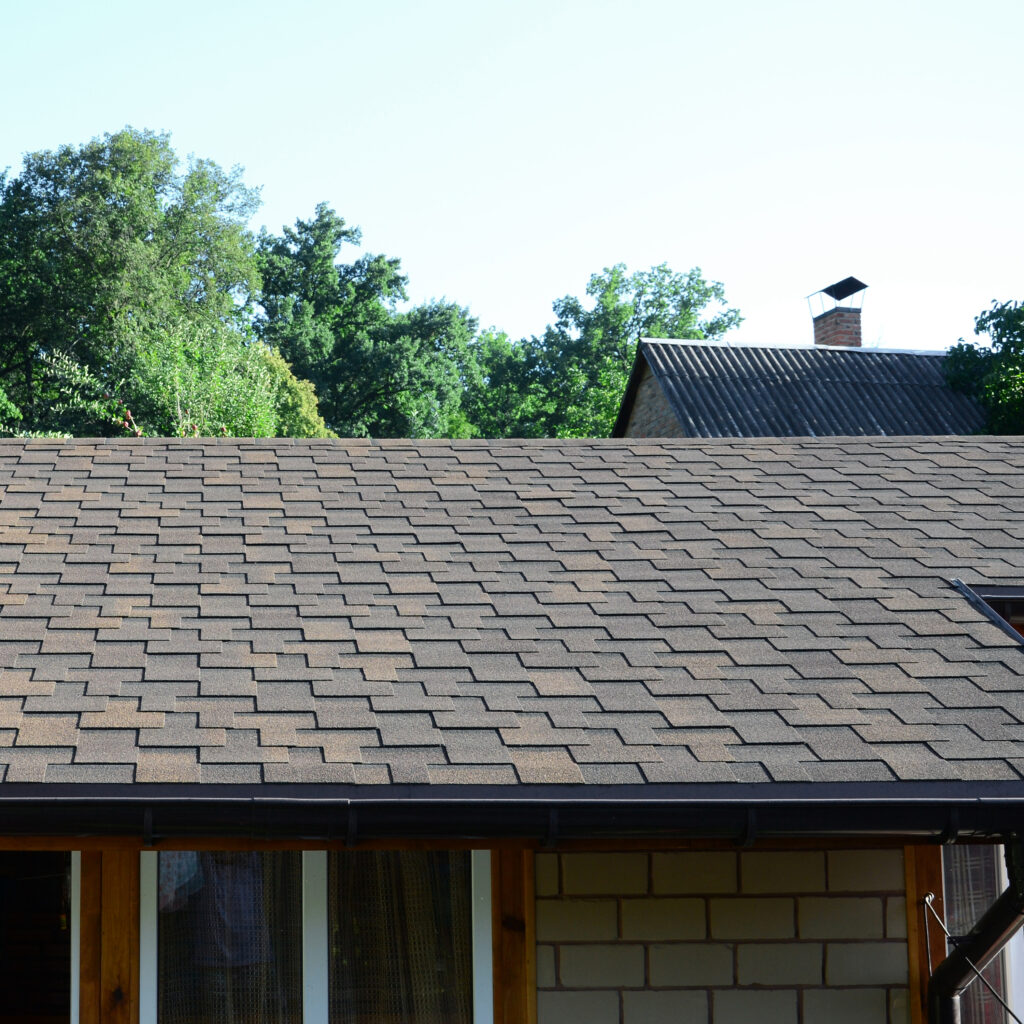
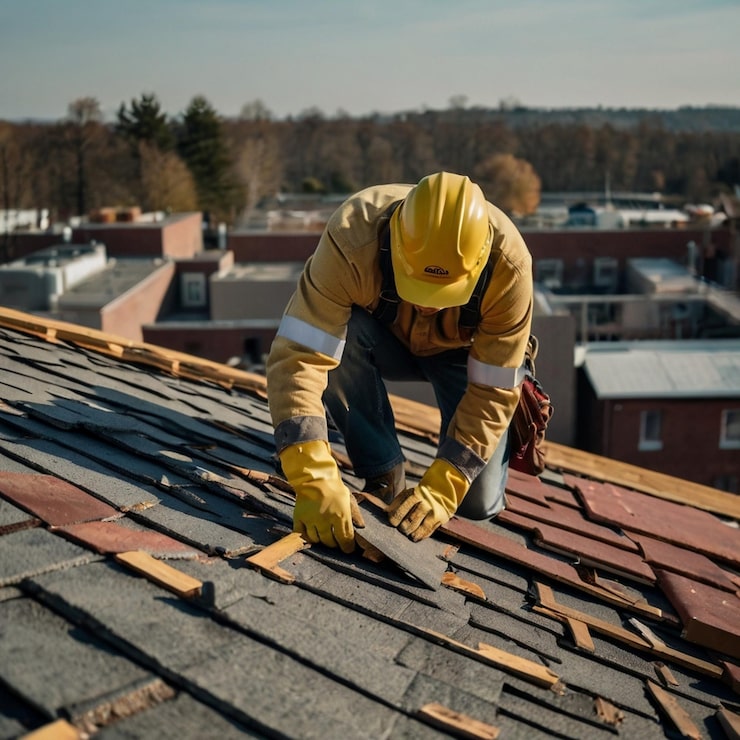
What Are the Warning Signs of an Ageing Roof?
| Warning Sign | What It Usually Means | Urgency |
|---|---|---|
| Multiple slipped or missing tiles across the roof | Fixings (nails or clips) failing roof-wide | High, plan a survey soon |
| Cracked or open ridge tiles | Mortar bedding has failed, water entering roof void | High |
| Daylight visible in the loft | Gaps in tile covering or underlay | High |
| Dark staining or wet patches on ceilings | Water has already passed through underfelt, battens and rafters | Urgent |
| Sagging between rafters | Underfelt failure or compromised timber structure | Urgent |
| Lead flashing pulled away or cracked | Most common source of leaks at chimney stacks | Medium to high |
| Granule loss on felt flat roofs | Felt nearing end of life | Medium |
| Damp or staining on fascia and soffits | Often linked to blocked guttering or poor ventilation | Medium |
Roof Age and the Problems You're Likely to See
| Roof Age | Likely Issues |
|---|---|
| 0 to 15 years | Minimal issues if installed to Building Regulations and BS5534; occasional storm-related tile or flashing damage |
| 15 to 25 years | First ridge re-bedding usually due; flashing may need attention |
| 25 to 40 years | Increased moss growth, individual tile failures, fixing wear becoming visible |
| 40 to 60 years | Widespread tile deterioration likely on concrete tiles; underfelt condition becomes the deciding factor |
| 60+ years | Natural slate may still be sound if well maintained, but underfelt, battens and ventilation usually need full renewal |
Repair or Replace: How to Decide
| Factor | Favours Repair | Favours Replacement |
|---|---|---|
| Roof age | Under 25 years | Over 40 years |
| Damage pattern | Isolated to one area | Widespread across multiple areas |
| Underfelt or membrane condition | Intact | Failed or missing |
| Battens and timber | Sound | Rotten or broken in multiple areas |
| Repair history | First repair needed | Multiple repairs in a short period |
| Cost over 5 years | Repairs likely cheaper | Repeated repairs likely exceed replacement cost |
As a rough guide, repeated small repairs costing £400 to £600 each can exceed the cost of a full replacement (typically £5,000 to £9,000 for a concrete tile semi-detached re-roof) within a five-year period, while a replacement also comes with a guarantee that repairs don’t.
Do Solar Panels or Loft Insulation Affect Roof Lifespan?
Solar panels themselves don’t shorten roof lifespan, but poor installation can. Panels fitted with roof hooks that penetrate the tile or membrane incorrectly create new water entry points, and panel arrays can also trap moisture and debris underneath if not installed with adequate clearance.
Loft insulation doesn’t damage a roof directly, but adding deep insulation without maintaining roof ventilation can increase the risk of condensation forming on the underside of cold roof timbers, which contributes to timber rot over time. Insulation upgrades should always be paired with a check on existing soffit, ridge or tile ventilation.
Does a Roof Replacement Affect Insurance, Warranties or Home Sales?
A full roof replacement typically comes with a 10-year insurance-backed guarantee, which can be reassuring for buyers and is often requested as part of a homebuyer survey or mortgage valuation. An ageing or poorly maintained roof flagged in a mortgage survey can delay a sale or require a retention of funds until repairs are completed, so addressing visible warning signs before listing a property is generally worth the cost.
Typical Roof Costs in Leeds (2026 Prices)
| Job Type | Typical Cost Range |
|---|---|
| Full concrete tile re-roof (semi-detached) | £4,500 to £9,000 |
| Full natural Welsh slate re-roof | £7,000 to £14,000 |
| GRP fibreglass flat roof (garage) | £1,500 to £3,500 |
| GRP fibreglass flat roof (extension) | £2,500 to £4,500 |
| Ridge tile re-bed and repoint (full run) | £600 to £1,400 |
| Chimney stack lead flashing repair | £300 to £700 |
| Individual slate or tile repair | £150 to £400 |
| Solid conservatory roof replacement | £6,000 to £12,000 |
Prices are a guide based on jobs carried out across Leeds. Pitch, access, chimney stacks, existing damage and roof pitch all affect the final price, so a survey is the only way to get an accurate fixed quote.
Frequently Asked Questions
Most roofs in Leeds last between 25 and 60 years depending on material, with concrete tiles typically lasting 40 to 60 years and natural slate lasting 80 to 100+ years. Leeds’ rainfall and freeze-thaw cycles tend to shorten concrete tile lifespan toward the lower end of that range.
Concrete roof tiles typically last 40 to 60 years, though in Leeds, freeze-thaw weather often causes visible deterioration starting between 35 and 45 years. Regular inspection and prompt repair of damaged tiles can extend this significantly.
Natural Welsh slate typically lasts 80 to 100 years or more when installed correctly. The limiting factor is usually the underfelt and fixings rather than the slate itself, which is why re-roofs on older slate properties often reuse the existing slate.
GRP fibreglass flat roofs typically last 25 to 30+ years, and EPDM rubber flat roofs last 30 to 50 years. Both significantly outlast traditional mineral felt, which usually needs replacing within 10 to 15 years.
A pitched roof should be inspected at least once a year, ideally in autumn, and after any major storm. Flat roofs benefit from twice-yearly checks since membrane wear shows up faster on horizontal surfaces.
Yes. Moss holds moisture against the tile surface, which speeds up freeze-thaw deterioration in Leeds winters, and can lift tile edges enough to let wind and water underneath.
In most cases where the roof is under 25 years old and damage is isolated, repair is usually the right call. The deciding factor is the condition of the underfelt, battens and timber structure, not just the visible tiles.
A standard like-for-like roof replacement usually doesn’t need planning permission. Listed buildings, conservation areas, or a change in roof material or form may require consent from Leeds City Council.
Check your loft. Underfelt is black or dark grey, while a breathable membrane is usually white or silver. Roofs built or re-roofed before the 1990s often have neither, meaning tile displacement lets water into the roof void directly.
Loft insulation doesn’t damage a roof directly, but it can increase condensation risk on cold roof timbers if ventilation isn’t maintained alongside it. Soffit, ridge or tile vents should be checked when insulation is upgraded.
Get a Free Roof Survey in Leeds
DDK Roofing Leeds Ltd has completed over 1,400 roofing projects across Leeds and West Yorkshire since 2003, is CORC approved, and holds NVQ Level 3 in Roof Slating and Tiling. If you've spotted any of the warning signs above, a free survey will give you an honest, fixed-price answer on whether your roof needs repair or replacement.
📞 Book Your Free Survey: 07818 191982Based in Morley (LS27), covering Headingley, Roundhay, Chapel Allerton, Alwoodley, Horsforth, Otley, Wetherby, Harrogate, York and the wider West Yorkshire area.