
Birds Nest in Roof: What Homeowners in Leeds Should Do
Birds nesting in a roof usually means there is a gap, crack, or weak point that also lets water in. If you find a nest, the roof needs attention but the nest itself must be handled carefully because nesting birds are legally protected in the UK.
A nest in the roof is not always a disaster, but it is a warning sign. The real problem is the entry point birds used, because that same opening can let rain damage your roof structure.
Why birds get into roofs
Birds do not usually enter a roof by chance. They use small openings where mortar has cracked away, tiles have shifted, or flashing has failed.
Common entry points include:
The edge of the roof where mortar meets the tiles.
Gaps around flashing.
Open vents or weak roof joints.
Damaged areas near chimneys and eaves.
If birds can get in, water can get in too. That is why a nest often points to a roof repair problem, not just a wildlife issue.
Is a bird nest harmful?
Most nesting activity itself is not the biggest problem. The bigger issue is the opening that allowed the birds inside in the first place.
A nest can lead to:
Blocked drainage.
Damp insulation.
Water damage in the roof space.
Hidden roof deterioration over time.
So the nest may be small, but the roof damage around it can be much bigger.
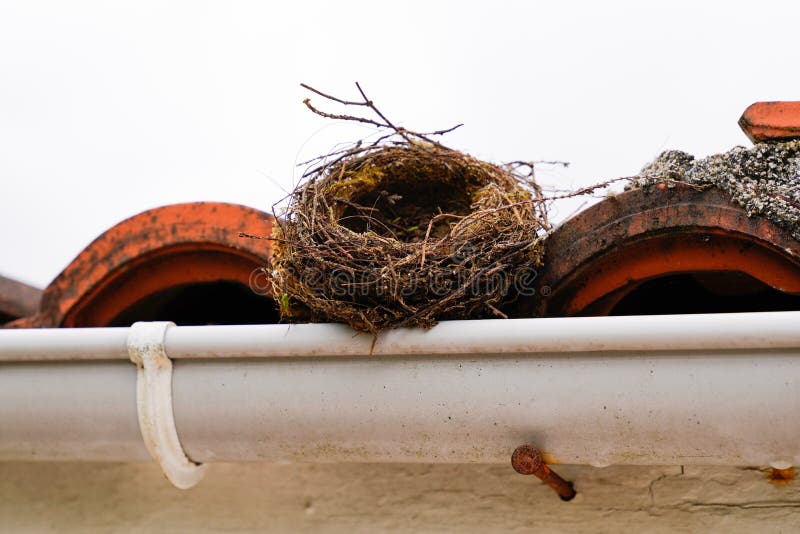
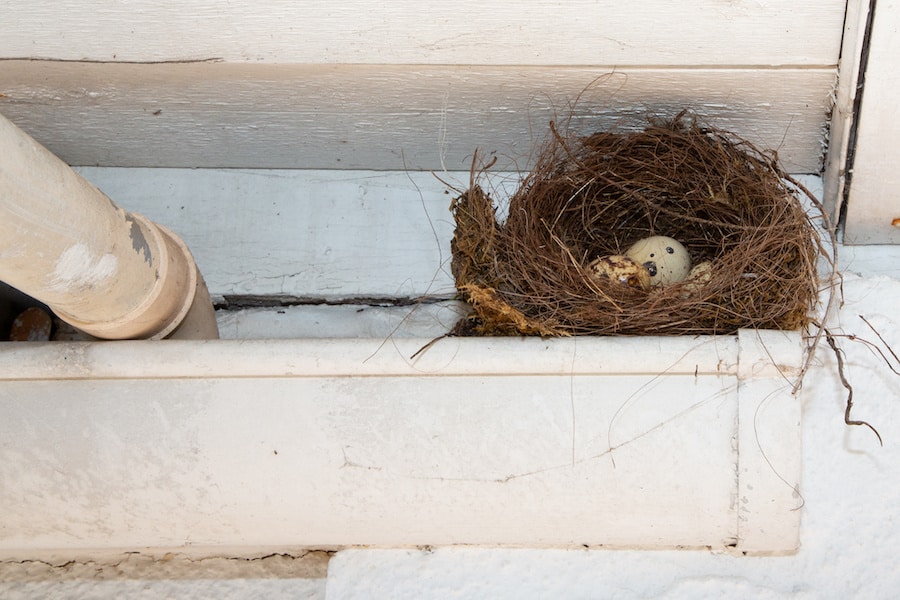
What to do if you find a nest
If the nest is active, do not remove it. In the UK, most nesting birds are protected by law, and active nests must be left alone until the young have left.
A simple rule is:
If you can hear chicks, leave the nest alone.
If the nest is inactive and the birds have moved on, a roofer can inspect the area safely.
If you are not sure whether the nest is active, treat it as active until a professional confirms otherwise.
What to do during roof work
Sometimes a nest is found only after roof work has already started. If stopping work would put the young birds at risk, an artificial nest box may be used close to the original nest so the parent bird can continue caring for them.
This approach helps protect the birds and allows the roof repair to continue legally.
What if the roof is leaking badly?
If the bird entry point is causing major water ingress, the priority is to stop further damage while staying within the law.
You can:
Call a roofer for advice.
Contact the local council if needed.
Contact the RSPB for guidance.
Do not block the nest site yourself if birds are still using it. That can cause harm and may break the law.
How roofers fix the problem
Once the nest is inactive, the roof should be repaired properly. The main goal is to close the entry point so birds and water cannot get back in.
Typical repairs include:
Repointing cracked mortar.
Replacing damaged flashing.
Repairing broken tiles.
Closing small gaps with suitable mesh or fixings.
This is important because a roof that lets birds in is usually already letting weather in too.
How to prevent birds nesting again
After the roof is repaired, prevention matters. A repaired roof should also be checked for weak points that birds could use later.
Good prevention includes:
Repairing cracked mortar early.
Sealing gaps around tiles and flashing.
Fitting mesh or barriers where needed.
Checking the roof after storms.
This reduces the chance of another nest forming in the same place.
Leeds homeowners and roof checks
In Leeds, rain and wind can make small roof gaps worse very quickly. A nest may be the first sign that the roof has already started to fail.
If you have a nest, damp patches, or loose mortar, it is best to arrange a roof inspection after the nesting situation has been dealt with legally.
DDK Roofing Leeds can inspect the roof, find the entry point, and carry out the repair once the nest is no longer active.
Frequently Asked Questions
Not if it is active. In the UK, nesting birds and their nests are protected, so you must wait until the young have left.
Usually because of a gap, cracked mortar, damaged flashing, or a broken roof edge.
Usually, yes. If birds can enter, water can often enter too, so the roof should be checked.
Do not disturb active birds. Contact a roofer, your local council, or the RSPB for advice.
Repair the entry point properly, seal gaps, and check the roof after bad weather.