
Roof Replacement Cost UK 2026 – Completely New Roof Cost Guide
Every homeowner dreads the moment a roofer delivers that first quote. The numbers often come as a genuine shock and without prior research, it is easy to overpay or underestimate the budget needed. Understanding the true roof replacement cost UK homeowners face in 2026 puts you in a far stronger position before any contractor sets foot on your property. This guide covers average new roof cost UK figures, per m² pricing, labour and material breakdowns, and practical ways to keep your spending under control.
How Much Does a New Roof Cost UK
Before speaking to any contractor, it helps to know the realistic price range for your property type and roof design. Costs move significantly based on size, material, and location across the UK.
Average Cost Range in 2026
For a three-bedroom semi-detached home, the typical spend on a full roof replacement in 2026 sits between £6,500 and £12,500. This figure covers materials, labour, underlay, battens, and standard access equipment.
Terraced properties tend to come in lower often between £4,000 and £7,000. Larger detached homes, especially those with complex hip or mansard roof designs, can push well beyond £15,000. The average new roof cost UK wide lands around £7,000 to £9,000 for a mid-sized property with a standard gable layout and concrete or clay tiles.
Cost Per Square Metre Explained
Most roofers price roofing work by the square metre, which makes comparing quotes straightforward. In 2026, the cost to replace roof UK per m² generally runs from £120 to £275, depending on the material chosen. Labour contributes roughly £130 per m² on average across England and Wales, with materials stacking on top of that based on the covering type selected.
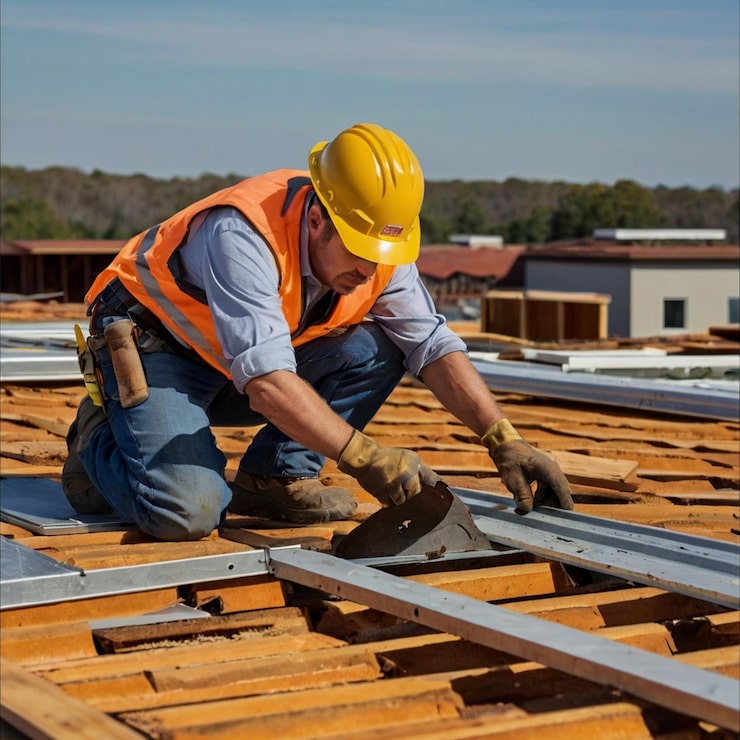
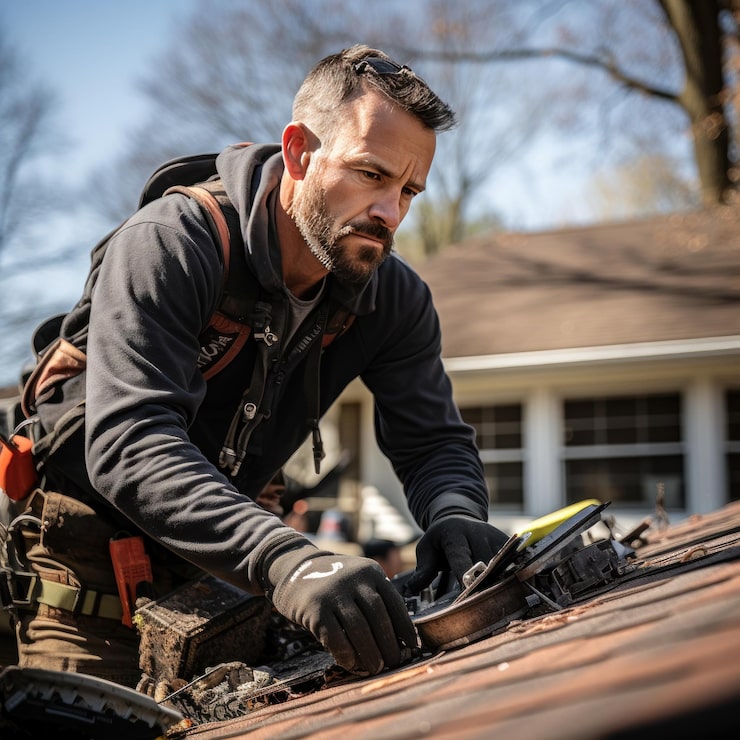
Roof Replacement Cost UK Breakdown
Knowing where each pound goes helps you challenge unfair quotes and spot missing items before signing a contract.
Labour Costs
Roofing is skilled trade work carried out at height, often in challenging conditions. Individual roofers typically charge between £200 and £275 per day in 2026. Most jobs involve two roofers working together, so daily combined labour spend runs from £400 to £550.
On a standard pitched roof, labour usually accounts for 40 to 50 percent of the total project cost. Roofs with dormers, valleys, multiple chimneys, or steep pitches push that percentage higher because detailed cutting and fitting takes considerably longer.
Material Costs
Tiles or slates are the most visible part of your material spend, but a complete roofing system involves far more than just the covering. Every proper roof replacement also requires breathable underlay membrane, timber battens, ridge and verge units, lead or aluminium flashings around chimneys and abutments, plus appropriate fixings and clips.
These supporting materials typically add between £1,500 and £3,000 to the total bill on a standard semi-detached home. Any quote that skips them should be questioned immediately.
Additional Costs – Scaffolding, Waste and Repairs
Three extras catch homeowners off guard more than any others:
- Scaffolding hire: weekly costs range from £500 to £1,000 depending on size and complexity. Most residential jobs require scaffolding for one to two weeks.
- Waste removal: stripping an old roof produces several skips’ worth of debris. Budget between £200 and £400 for proper licensed disposal.
- Structural timber repairs: rotten rafters or deck boards found after stripping the old covering can add £500 to £2,500 to the final total.
Always ask contractors to price these items separately. Bundled quotes with no itemisation make it harder to identify overcharging or missing work.
New Roof Cost UK by Roof Type
The shape and design of your roof has a direct impact on how long the job takes and what the total cost looks like.
Pitched Roof Cost
Pitched roofs — the sloped designs found across the majority of UK homes — represent the standard starting point for most replacement projects. A simple gable roof on a semi-detached property costs approximately £5,000 to £9,000 when fully replaced. More complex hipped roofs on detached homes regularly climb to £9,000 to £15,000 or beyond, because every sloped edge demands additional tile cutting, lead detailing, and careful alignment work.
Flat Roof Cost
Flat roofs are common on extensions, garages, and older bungalows. The material chosen for a flat roof drives the cost significantly. Expect to pay somewhere between £50 and £130 per m² depending on the system:
- 3-layer felt system: £60 to £100 per m²
- EPDM rubber membrane: £50 to £90 per m²
- GRP fibreglass: £80 to £130 per m²
A standard 30m² garage or extension flat roof therefore costs between £1,500 and £3,900. GRP fibreglass costs more upfront but delivers considerably better long-term durability than felt.
Slate vs Tile Comparison
Natural slate is the premium choice. It suits heritage and period properties perfectly, carries excellent kerb appeal, and lasts well over a century when installed correctly. Installed costs sit at £180 to £300 or more per m².
Concrete tiles are the practical, budget-friendly alternative. They are widely available, easy to match for repairs, and typically cost £120 to £175 per m² installed. Clay tiles occupy the middle ground — better colour retention than concrete over time and a longer service life, at around £160 to £240 per m².
Cost to Replace Roof UK Per m2
Pricing Table by Material
Roofing Material | Installed Cost Per m² |
Concrete Tiles | £120 – £175 |
Clay Tiles | £160 – £240 |
Natural Slate | £180 – £300+ |
EPDM Rubber (Flat) | £50 – £90 |
GRP Fibreglass (Flat) | £80 – £130 |
3-Layer Felt (Flat) | £60 – £100 |
All figures above include materials and labour. Scaffolding, waste removal, and structural timber repairs are priced separately in most reputable contractor quotes.
Factors Affecting Per m2 Cost
The per m² rate in any quote is not fixed. Several variables shift it up or down:
- Roof pitch — steeper angles take longer to work on safely and slow tile laying
- Roof complexity — hips, valleys, and dormers add significant detailing time
- Access difficulty — restricted roads or narrow passages slow material handling
- Regional labour rates — London and the South East run 15 to 25 percent above the national average
- Material grade — premium branded products cost more per unit than standard ranges
Factors That Affect Roof Replacement Cost
Several key variables shape the final quote before a contractor has even looked at your roof:
- Property size — more roof area means proportionally more of every material and more time on site
- Roof age and condition — older roofs frequently hide structural timber damage beneath the surface
- Chimney stacks — lead flashing work around stacks adds both labour time and material cost
- Skylights and roof windows — each one requires careful waterproofing and increases the job length
- Building Regulations — replacing more than 25 percent of your roof surface triggers insulation upgrade requirements under current UK standards
- Time of year — peak summer demand keeps prices firm; autumn and winter offer better contractor availability
- Number of quotes obtained — prices between different roofers for identical jobs regularly vary by 20 to 30 percent
Roof Replacement vs Repair Cost
Choosing between a targeted repair and a full replacement is one of the most financially significant decisions a homeowner can make. Here is how to think it through clearly.
Repair makes practical sense when damage covers only a small area, the underlying roof structure remains structurally sound, replacement tiles can be closely matched to existing ones, and the repair cost stays well below a third of full replacement pricing.
Full replacement becomes the smarter investment when the roof is more than 20 to 25 years old, leaks keep returning despite previous repairs, tile deterioration affects several roof sections at once, or a structural check reveals widespread timber decay.
A practical approach: if repair quotes are approaching or exceeding 35 to 40 percent of a full replacement estimate, the complete replacement almost always delivers better long-term value. You also gain a fresh contractor warranty and compliance with current insulation standards.
How to Reduce New Roof Cost UK
There are several proven ways to bring the cost down without sacrificing quality or workmanship:
- Collect at least three separate quotes before committing — variation between contractors is often significant
- Book work in autumn or early winter — demand falls and contractor availability improves
- Choose concrete tiles over slate or clay where the budget is the priority
- Bundle related jobs — replacing fascias, soffits, or guttering at the same time can reduce overall scaffolding expenditure
- Always ask what is included upfront — scaffolding and waste removal hidden in the small print can inflate a quote considerably
- Check VAT eligibility — reduced-rate VAT may apply in certain circumstances, so it is worth asking your contractor directly
- Avoid peak summer bookings — negotiating room is minimal when contractors have full order books
Signs You Need a Roof Replacement
Acting early prevents far more costly structural damage further down the line. Watch for these warning indicators:
- Water stains or damp patches appearing on upstairs ceilings or walls
- Tiles slipping, cracking, or breaking repeatedly across multiple roof sections
- Persistent moss and algae growth that keeps returning after cleaning
- Sagging or visibly uneven areas spotted from ground level
- Daylight visible through roof boards when viewed from inside the loft space
- Ridge tiles loosening or mortar crumbling along the apex
- A roof age exceeding 25 years with no significant maintenance history
Two or more of these signs appearing together is a strong signal to arrange a professional structural assessment without delay.
Conclusion
The average roof replacement cost UK homeowners encounter in 2026 ranges from around £6,500 to £12,500 for a standard semi-detached property. Smaller homes and budget tile choices come in at the lower end. Larger properties with complex designs and premium materials push considerably higher.
The key is to get itemised, comparable quotes from qualified contractors and understand exactly what each one covers before making any commitment. A well-specified roof replacement, carried out properly the first time, is one of the most valuable long-term investments you can make in your home.
Frequently Asked Questions
The average roof replacement cost UK in 2026 sits between £6,500 and £12,500 for a standard three-bedroom semi-detached home. Smaller terraced properties may start from £4,000. Larger detached homes with slate roofs or complex designs can exceed £15,000. Property size, chosen materials, access conditions, and your location within the UK are the main pricing variables.
The cost to replace roof UK per m² ranges from £120 to £275 for pitched roofs in 2026. Concrete tiles fall at the lower end around £120 to £175 per m². Natural slate sits at £180 to £300 or above. Flat roofing systems such as EPDM rubber cost between £50 and £90 per m². All per m² figures shown include both materials and labour.
Most standard residential roof replacements take two to five working days to complete. A straightforward gable roof on a terraced or semi-detached home typically finishes in two to three days. Larger properties with hips, multiple dormers, or chimneys may take a full week or longer. Roofers will also pause for wet or high-wind conditions, which can extend the overall timeline.
When repair costs approach 35 to 40 percent of a full replacement quote, a complete replacement generally provides better long-term value. Repeated patching on an ageing roof accumulates cost quickly without solving the underlying problem. Replacing the whole roof delivers a fresh warranty, modern insulation compliance, and removes the need for further disruptive repairs in the short term.
In most cases, planning permission is not required for a like-for-like roof replacement in the UK. Exceptions include listed buildings, properties within conservation areas, or projects that significantly change the roof’s appearance or structure. Always check with your local planning authority before work begins to avoid any compliance issues after the job is complete.